Fauna Report / Article
The trouble with calling a species "invasive"
Non-native, invasive, naturalised — the labels do real work and are used loosely. A guide to what they mean and why the lines are contested.
- ecology
- invasive species
- definitions
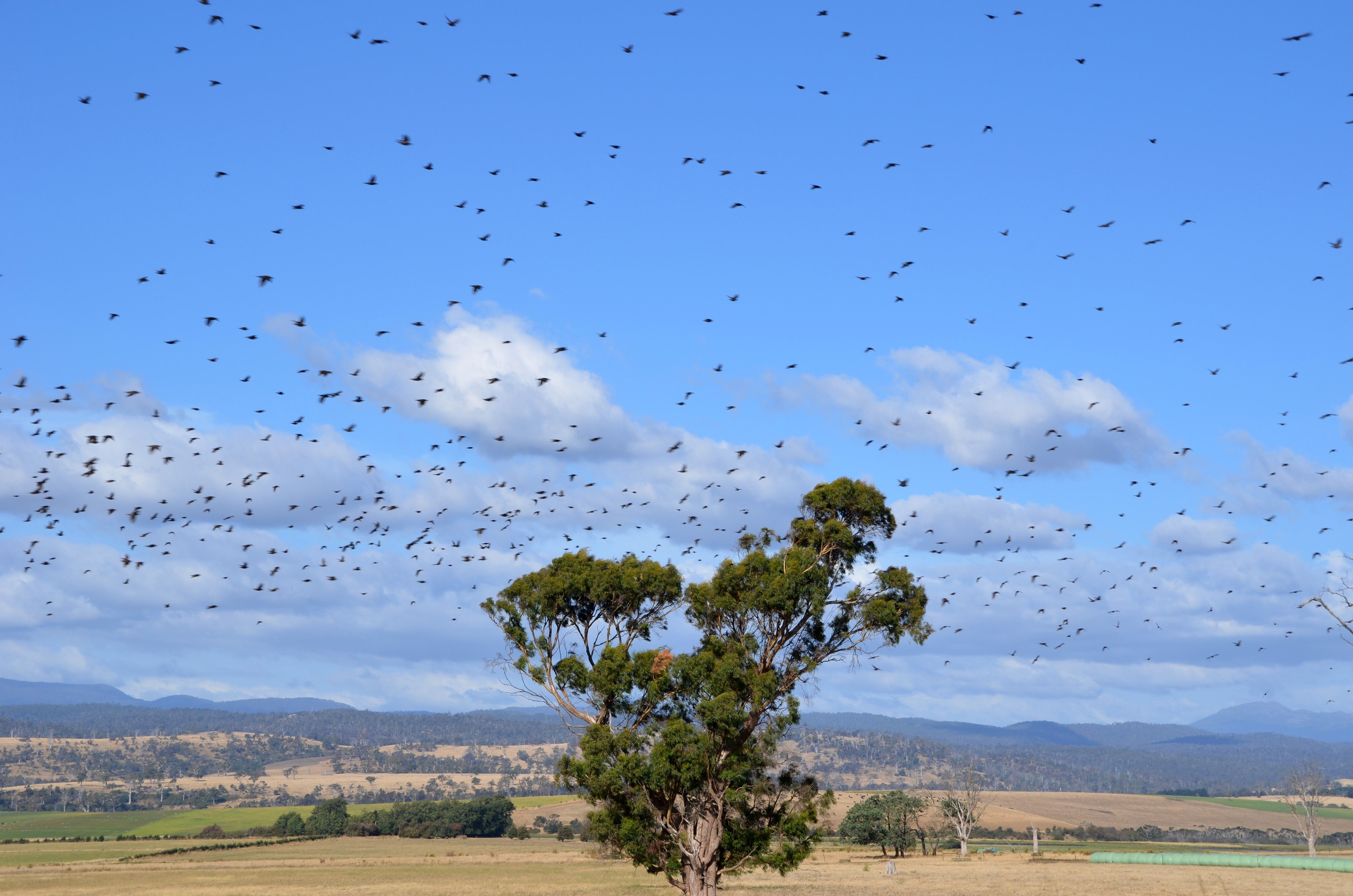
"Invasive species" is one of the few pieces of ecology that reliably makes the news, usually attached to a photo of something with teeth or a startling reproduction rate. It's also a term used far more loosely than the science behind it, and the looseness matters, because being labelled invasive can be a death sentence for a population.
Three labels that are not the same
The confusion starts with treating three distinct ideas as one:
- Non-native (or introduced). A species living outside its historical range because humans moved it there, deliberately or not. Most non-native species are harmless and many are useful — a large share of the world's crops and garden plants are non-native everywhere they're grown.
- Naturalised. A non-native species that has established a self-sustaining wild population but isn't causing measurable harm. It simply lives there now.
- Invasive. A non-native species that spreads and causes significant ecological or economic damage — outcompeting natives, altering habitats, collapsing food webs.
Only the third category is "invasive". A great deal of public discussion applies the alarming word to species that are merely the first — present, foreign, and doing no harm.
Harm is the hinge, and it's slippery
The definition rests on "harm", which sounds objective and isn't entirely. Harm to what, measured how, over what timescale? A species that disrupts an ecosystem in year one may be absorbed into a new equilibrium by year fifty. A predator that devastates native birds on one island may be harmless on the mainland it came from.
There's also a values question hidden inside the science. "Restoring" an ecosystem to a previous state is a choice about which past state counts as the correct one — and ecosystems have no single natural baseline, only a history of continuous change. Deciding that the arrangement from three hundred years ago is the right one, and everything since is contamination, is a defensible position, but it's a position, not a measurement.
Why the label carries weight
None of this is an argument that invasive species aren't real or aren't destructive — some are among the leading drivers of extinction, especially on islands, where native species evolved without the predators or competitors suddenly introduced. Rats, cats, and a handful of others have genuinely erased species.
The point is narrower: because "invasive" licenses culling, eradication, and large public spending, the label should be earned by evidence of harm, not granted by foreignness alone. A species is not invasive because it arrived recently or looks out of place. It's invasive because it does damage, and that has to be shown, not assumed.
How to read the word
When you see a species called invasive, it's worth separating the claim into its parts:
- Is it actually non-native, or just locally unfamiliar?
- Is it established and spreading, or a handful of individuals?
- What specific harm is documented — and compared to what baseline?
The species that clear all three bars deserve the serious, often ruthless response invasive species get. The ones that clear only the first deserve a more honest label: they're simply new arrivals, and being new is not the same as being a threat.
Sources and further reading
- IUCN — Invasive alien species and sustainable development — the IUCN framing of introduced vs. invasive species and their documented impacts.
- Biodiversity A-Z — Alien invasive species — the CBD definitions distinguishing "alien" from "invasive alien", and why not all introduced species become invasive.