Fauna Report / Article
Flagship, umbrella, indicator: the species we choose to save others
The panda isn't protected only for its own sake. A guide to the strategic roles conservation assigns to particular species — and the risks of each.
- conservation
- strategy
- species

Conservation can't focus on everything at once, so it focuses on particular species and hopes the benefit spreads. But "we're saving this animal" can mean several very different strategies, each with its own logic and its own failure mode. Three terms do most of the work, and they're routinely confused.
Flagship species: the ones that raise the money
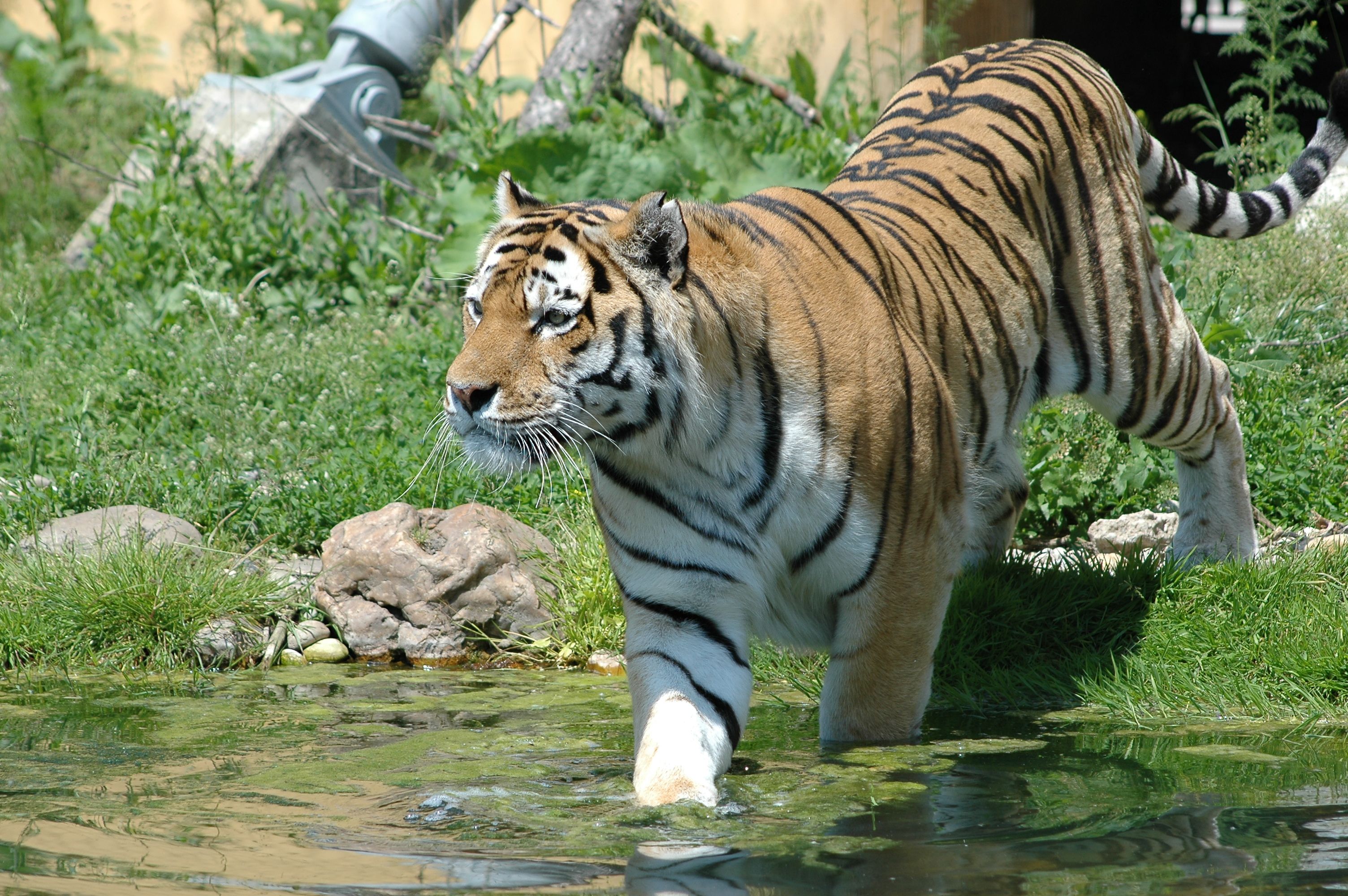
A flagship species is chosen for its appeal, not its ecology. The panda, the tiger, the polar bear — large, charismatic, easy to put on a poster. The logic is frankly about marketing: people donate to save a panda in a way they never will for a beetle or a fungus, and that money can fund habitat protection that shelters everything living in it.
The strength is obvious — flagships work, financially. The risk is distortion. Funding flows to the photogenic, while the unglamorous majority of threatened species, which do most of the ecological work, compete for scraps. A flagship is a fundraising tool that happens to be an animal, and it's most honest when it's understood that way.
Umbrella species: the ones whose needs cover others
An umbrella species is chosen for the size and quality of the area it needs. Protect enough habitat for a wide-ranging animal — a large carnivore, a migratory bird — and you automatically protect the many smaller species living under that same "umbrella".
Here the logic is ecological rather than emotional. The strength is efficiency: one well-chosen umbrella can stand in for hundreds of species that would be impractical to plan for individually. The risk is that the umbrella's needs don't actually match the others'. Species with different habitat requirements can fall outside the sheltered area entirely, and no one notices because the umbrella species itself is doing fine.
Indicator species: the ones that tell you the state of things
An indicator species is chosen for what its condition reveals. Amphibians, sensitive to water quality and pollution, signal the health of a wetland. Lichens indicate air quality. The species is valuable as a gauge — when it declines, something is wrong before the wider damage becomes obvious.
The strength is early warning. The risk is over-reading a single dial: an indicator responds to particular pressures, and reading it as a summary of the whole ecosystem's health can mislead as easily as inform.
Why the distinction matters
These roles are often stacked onto the same animal — a tiger can be flagship, umbrella, and more at once — which is exactly why the strategies get blurred. But they answer different questions. A flagship asks what will people fund? An umbrella asks what habitat covers the most species? An indicator asks what is the state of this system?
Choosing a species for one role and expecting it to deliver another is a common, quiet failure. A flagship chosen for charisma may make a poor umbrella if its range doesn't overlap the species that need help. The most useful question, whenever a single species stands in for a wider effort, is simple: which job is this species actually doing, and is it the job we need done?
Sources and further reading
- Caro, T. (2010). Conservation by Proxy: Indicator, Umbrella, Keystone, Flagship, and Other Surrogate Species. Island Press (ISBN 9781597261937) — the definitive review of surrogate-species concepts and how they differ.