Fauna Report / Article
How small is too small? The question of minimum viable populations
A species can be doomed while thousands still live. Why conservation biologists worry about genetics and chance, not just headcount.
- conservation
- genetics
- populations
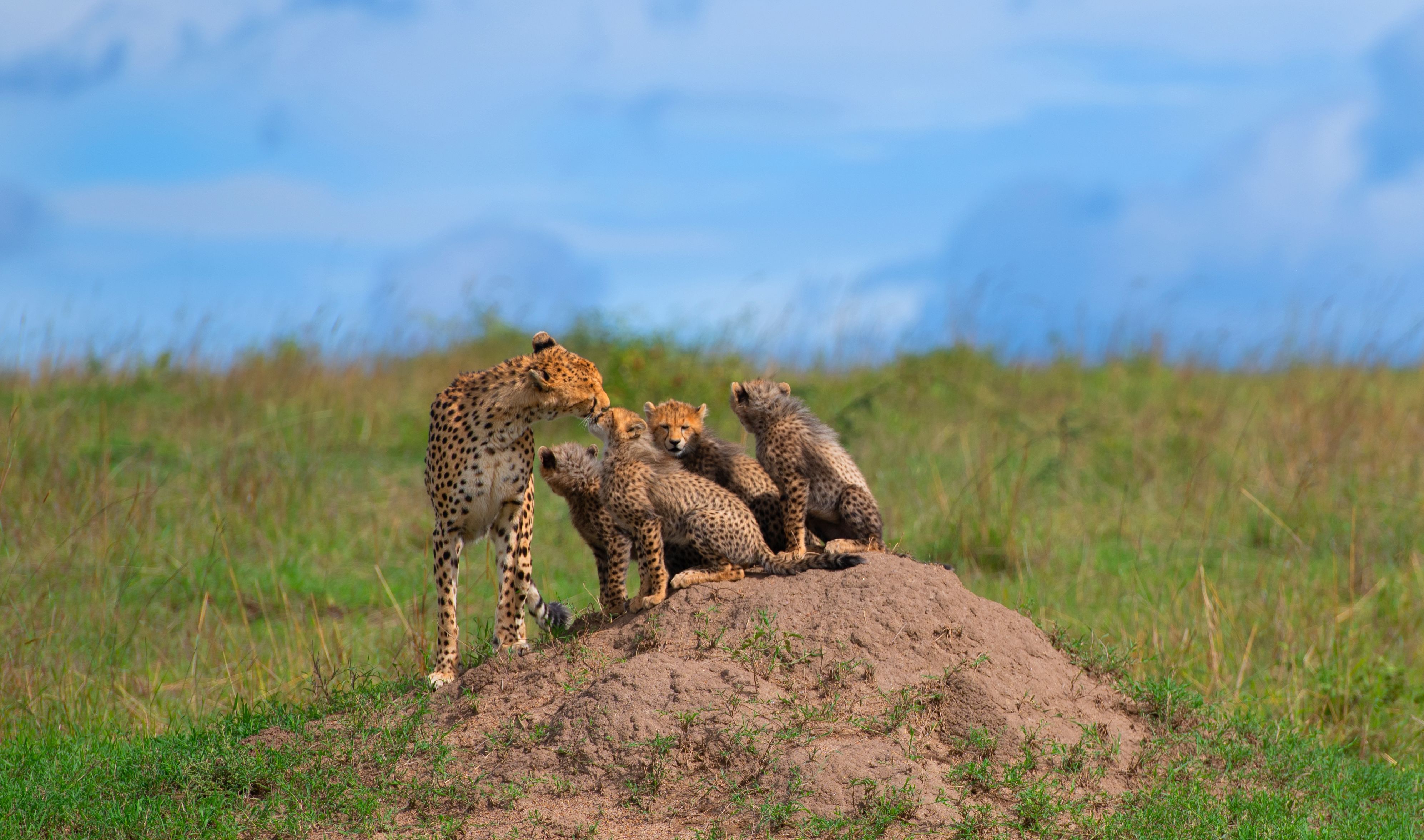
There's a grim possibility in conservation that headcounts alone can hide: a population large enough to look safe can already be past the point of recovery. Understanding why means looking past the number of animals to two things that number doesn't show — their genes, and their luck.
The living dead
Conservation biologists sometimes describe a population as functionally doomed even while many individuals are alive and apparently healthy. The phrase used is stark — the extinction debt, or more bluntly, the living dead. The animals are here; the future isn't.
This happens because extinction isn't a single event but a process with momentum. By the time a population falls to a certain size, forces are already in motion that will grind it down over the following generations, even if the original threat stops entirely. The headcount is a snapshot; the trajectory is what matters.
Why small populations unravel
Two distinct problems attack small populations, and they compound:
- Genetic erosion. A small population loses genetic diversity every generation. Individuals are increasingly related, so inbreeding rises, bringing lower fertility, weaker offspring, and reduced ability to adapt to new pressures like disease or a changing climate. Less variation means less raw material for survival.
- Random bad luck. In a population of millions, chance events average out. In a population of dozens, they don't. A run of male-only births, a single bad season, a localised disease outbreak — ordinary randomness that a large population would shrug off can push a small one over the edge. Small numbers make a species hostage to coincidence.
Together these create a trap conservationists call the extinction vortex: small size causes genetic and chance problems, which shrink the population further, which deepens those same problems. Each turn tightens the spiral.
The number nobody can pin down
This is why the field talks about a minimum viable population — the smallest size at which a population has a good chance of surviving over the long term, given genetics and chance.
The trouble is that there's no single number. It depends on the species, its reproduction, its habitat, its genetic starting point, and how you define "good chance" and "long term". Various rules of thumb have been proposed and argued over for decades, and the honest summary is that the threshold is real but slippery — high enough that many populations we intuitively feel are "fine" are closer to the edge than their headcount suggests.
How to read a population number
The practical lesson is to distrust the raw count as a measure of safety, and ask what's underneath it:
- How much genetic diversity remains — is inbreeding already rising?
- How exposed is it to chance — small and concentrated, or large and spread out?
- Which way is it heading — the trajectory matters more than the current figure.
A species with a few thousand individuals, genetically varied and spread across a wide range, may be genuinely secure. A species with the same count, inbred and packed into one valley, may already be circling the vortex. The number is the same. The futures are not — and only the questions behind the number tell them apart.
Sources and further reading
- Gilpin, M.E. & Soulé, M.E. (1986). Minimum viable populations: processes of species extinction. In Soulé, M.E. (ed.), Conservation Biology. Sinauer — the origin of the "extinction vortex".
- Frankham, R. et al. (2014). Genetics in conservation management: revised recommendations for the 50/500 rules... Biological Conservation 170: 56–63 — on the 50/500 rule and the ongoing debate over the right thresholds (see also Jamieson & Allendorf, 2012).