Fauna Report / Article
How animals get their scientific names
Behind every two-word Latin name sits a preserved specimen, a strict rulebook, and a surprising amount of history. How the system works, and why it matters.
Every known animal carries a two-word scientific name, italicised and often Latin. It looks like a formality — a stuffy label sitting beside the common name that everyone actually uses. It's really a piece of infrastructure, and the system behind it is more rigorous, and more interesting, than the names suggest.
Two words, precisely
The system is called binomial nomenclature, and it dates to the eighteenth-century naturalist Carl Linnaeus. Every species gets exactly two words: the first names its genus, the group of close relatives it belongs to; the second is the species name, unique within that genus.
The point is precision across languages and borders. A common name can refer to different animals in different places, and one animal can have dozens of common names. The scientific name is a single, globally agreed handle — the same in every country, every language, every scientific paper. It's not decoration; it's the key that lets a researcher in one place be certain they're talking about the same animal as a researcher in another.
The specimen that anchors the name
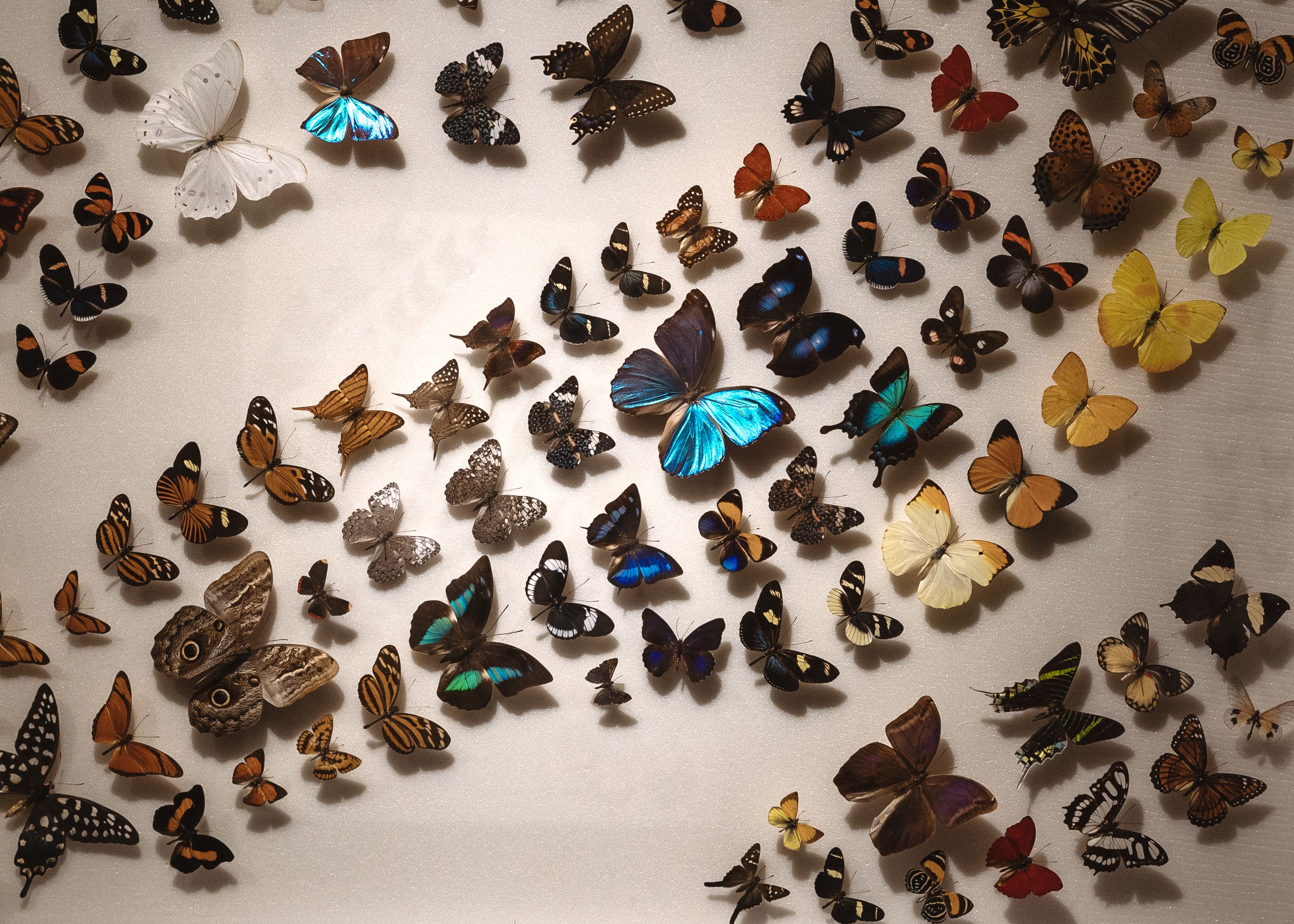
Here's the part most people never learn. A scientific name isn't attached to the idea of a species — it's attached to an actual, physical specimen, called the type specimen, preserved in a museum collection.
When a species is formally described, one particular individual is designated as the permanent reference point for that name. If there's ever a dispute about what the name properly refers to — after a species is split, say, or its boundaries are redrawn — the answer is decided by going back to that physical specimen. The world's natural history museums are, among other things, vast libraries of these anchors, each one the legal definition of a name. A name without a type specimen is, formally, not a proper name at all.
A rulebook, not a free-for-all
Naming isn't a matter of taste. It's governed by formal codes — detailed rulebooks that decide what's valid — and the codes are strict about a few things:
- Priority. If a species turns out to have been named more than once, the oldest validly published name usually wins, even if a later name is more familiar. This is why species occasionally undergo disruptive name changes: an older, forgotten name resurfaces and takes precedence.
- Proper description. A name only becomes valid when it's published with a formal description and tied to a type specimen, following the rules. You can't simply announce a name.
- No duplicates. Within the animal kingdom, a name can't be reused for two different genera.
Why the names change, and why that's fine
People are often irritated when a familiar scientific name changes. But the changes usually reflect the system working: genetic evidence reveals that a species belongs in a different genus, or that one species is really several, or that priority demands an older name. The name shifts to stay honest about what we now know.
So the next time a two-word Latin name appears beside an animal, it's worth remembering what it stands for: not a label someone liked, but a pointer to a physical specimen in a drawer somewhere, governed by centuries-old rules, designed so that everyone on Earth can be certain they mean the same creature. It's one of science's oldest and quietest pieces of shared infrastructure — and it works.
Sources and further reading
- International Code of Zoological Nomenclature (online) — the rulebook itself: name-bearing types, availability and the Principle of Priority.
- ICZN — Frequently Asked Questions — plain-language answers on type specimens (holotypes) and how names are fixed.