Fauna Report / Article
How many species are there? The honest answer is nobody knows
We've named about 1.5 million species and estimate millions more. The gap isn't only undiscovered animals — "a species" is harder to define than it sounds.
Ask how many species share the planet with us and you'll get answers that disagree by an order of magnitude. Around 1.5 million have been formally named and described. Estimates of the true total commonly land near 8.7 million, but serious figures range from about 2 million to over 100 million once you include the least-known groups.
That's a strange thing to be so uncertain about. The uncertainty has two sources, and only one of them is what people expect.
The obvious gap: most species are undescribed
The first source is simply that we haven't found most of them. Describing a species is slow, skilled work — a specimen, a comparison against everything similar already named, a formal published description. Meanwhile the groups with the most species are the ones with the fewest people studying them.
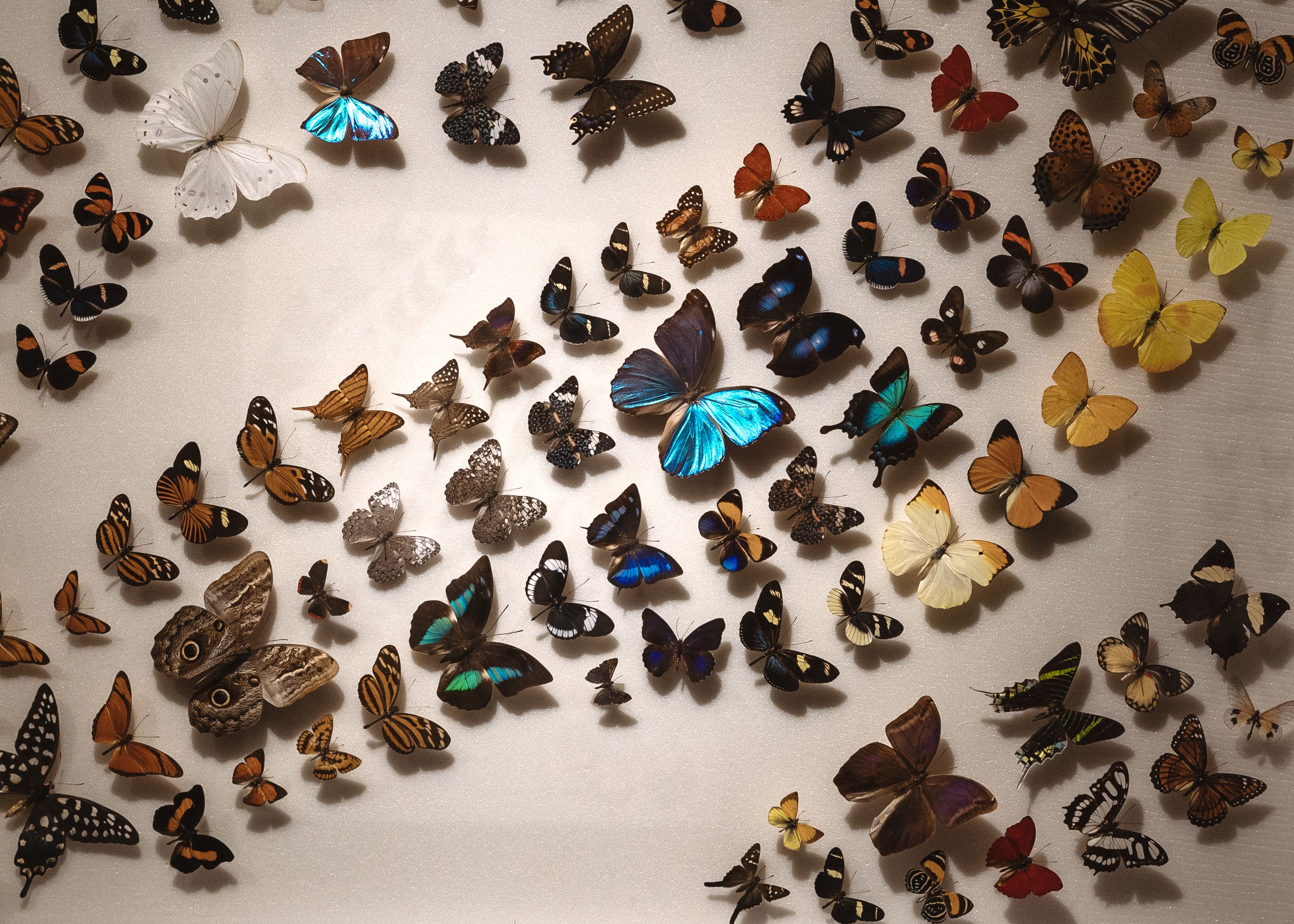
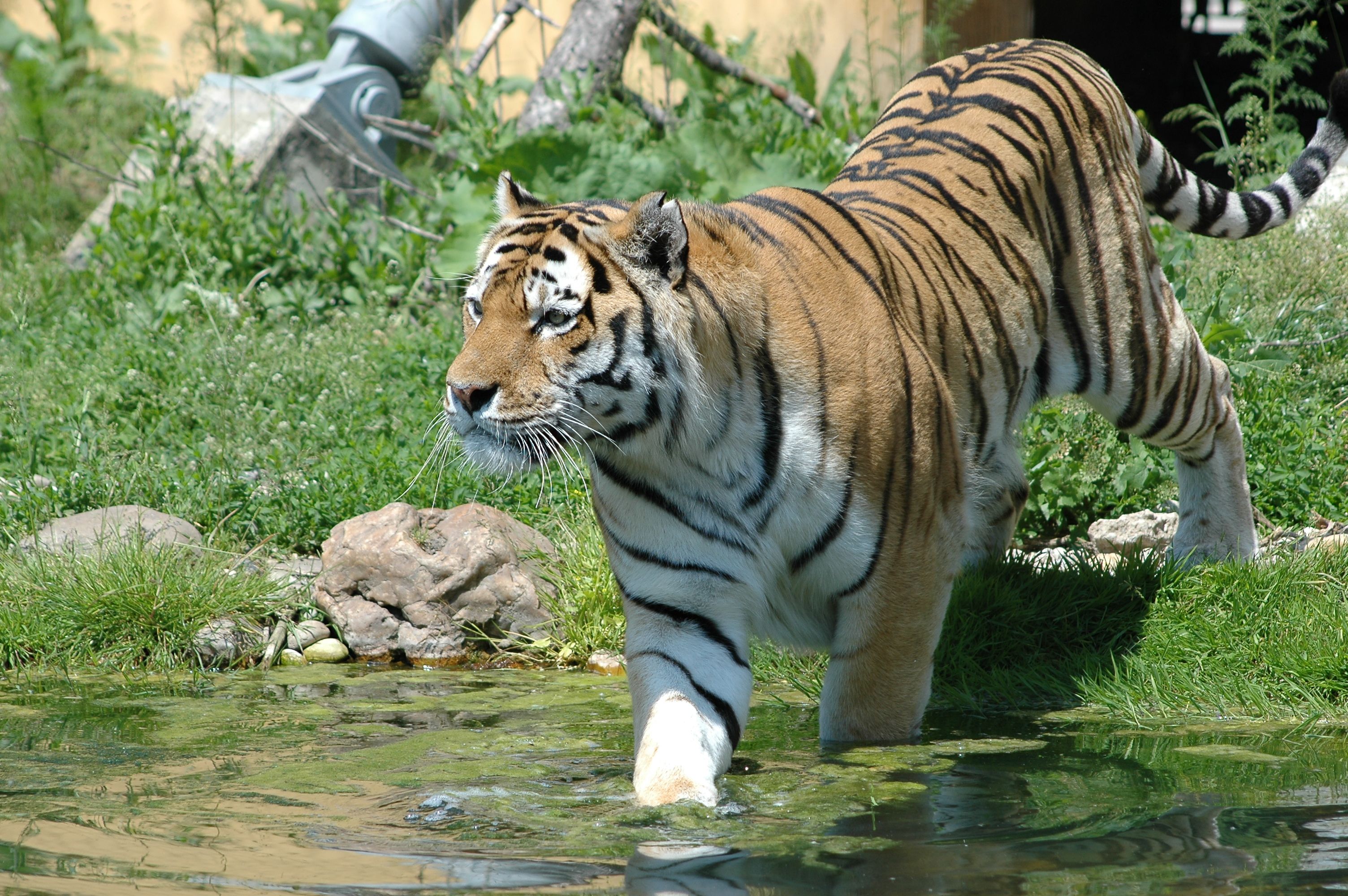
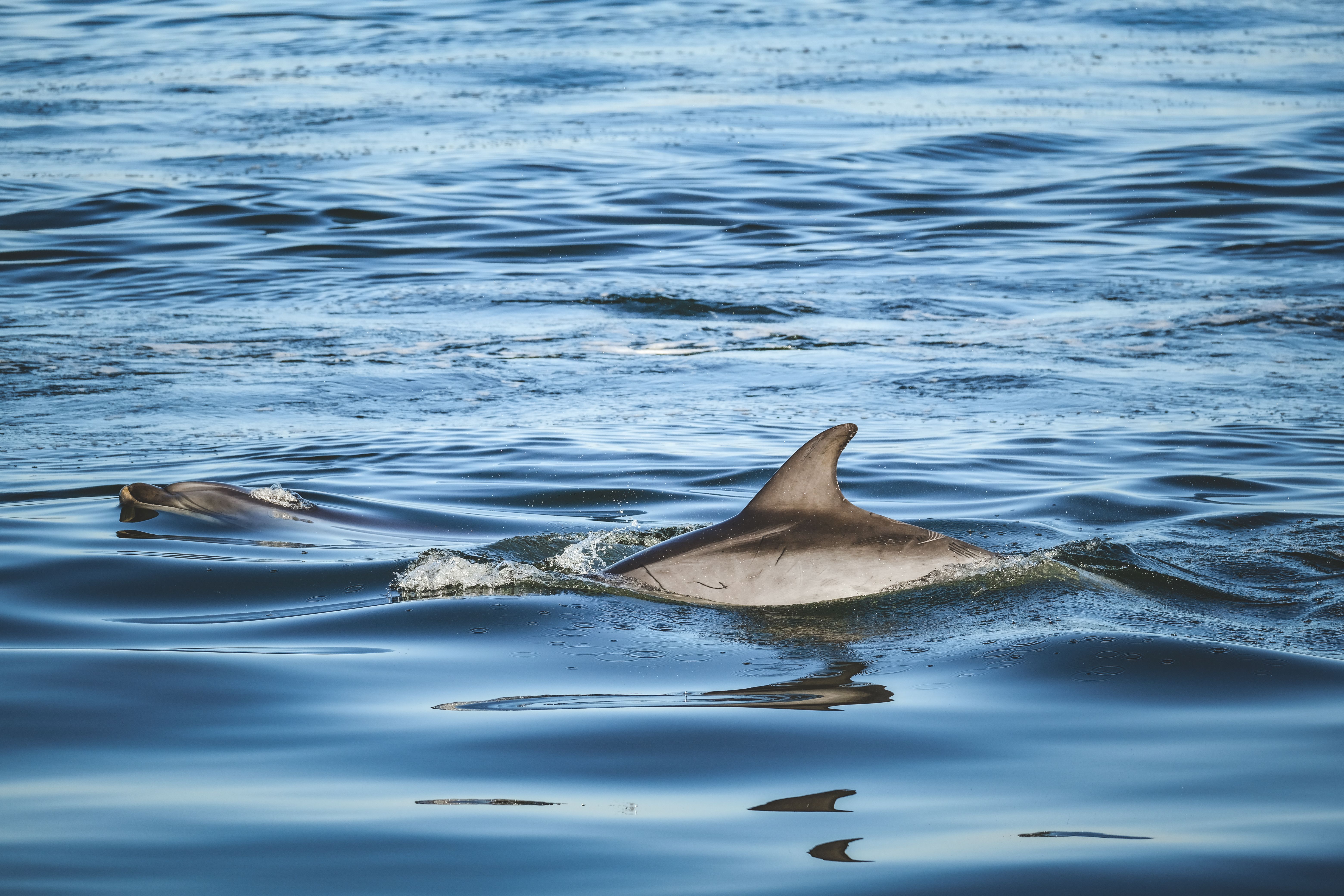
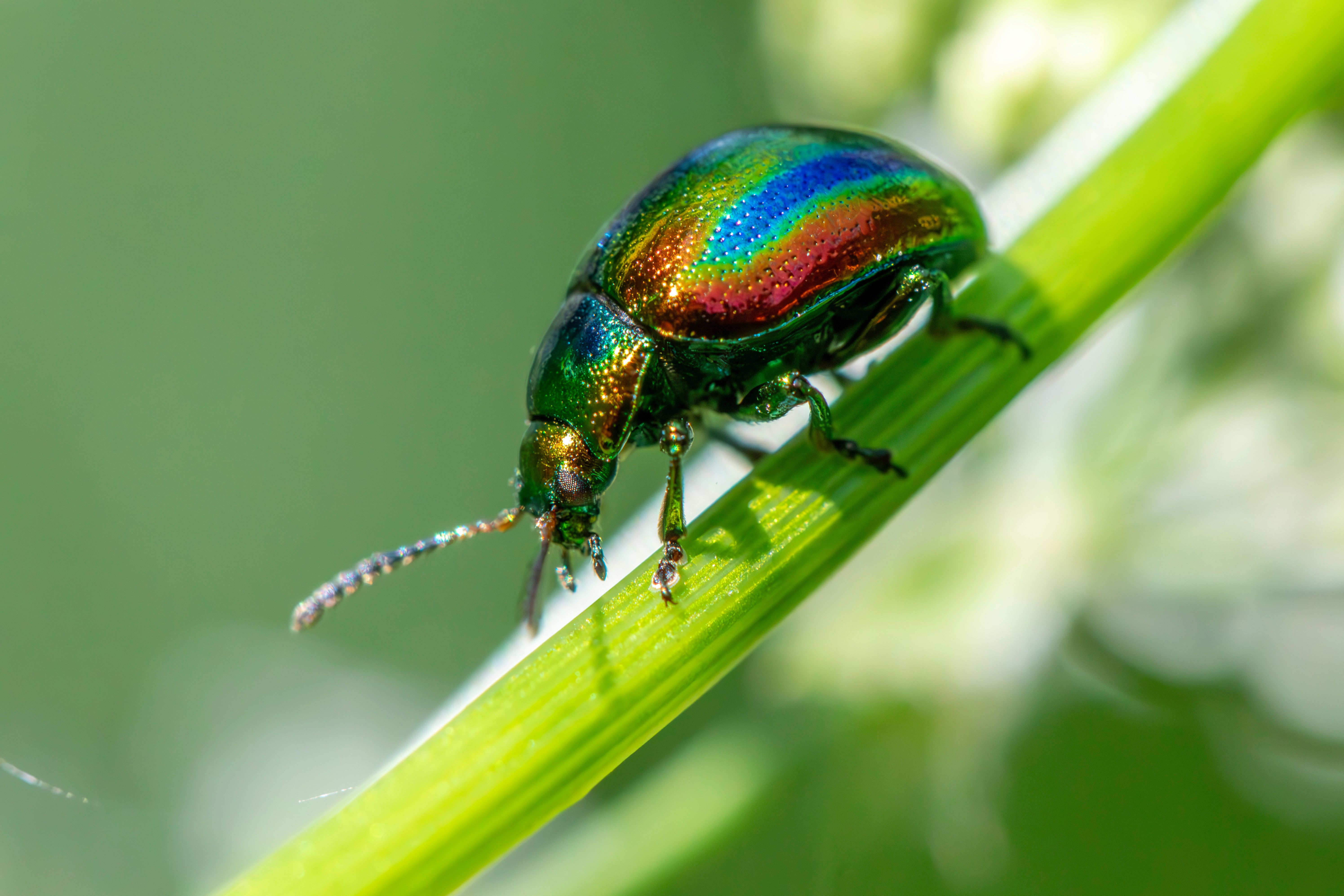
Vertebrates — mammals, birds, reptiles, amphibians, fish — are nearly all described, because they're large, charismatic and well-funded. But they're a rounding error in the total. The bulk of animal life is insects, and the bulk of insects is beetles, and vast numbers of those have never been named. Add fungi, nematodes, deep-sea invertebrates and the microbial world, and the described fraction shrinks further.
The uncomfortable consequence: species are going extinct that were never named. They enter and leave existence without ever appearing in the count.
The harder gap: "species" isn't a clean category
The second source is the one that surprises people. Even for organisms we have in hand, biologists don't fully agree on what counts as one species versus two.
The definition most people learn — a group that can interbreed and produce fertile offspring — is the biological species concept. It's useful, and it breaks down constantly. It says nothing about organisms that reproduce asexually. It struggles with populations that could interbreed but never meet. And it can't be applied to anything known only from fossils or preserved specimens.
So biologists use several concepts side by side. A morphological concept groups by physical form. A phylogenetic concept groups by shared ancestry read from DNA. These don't always draw the lines in the same places — and where they disagree, the species count changes depending on which one you use.
Lumpers, splitters, and a number that moves
Because the concepts disagree, taxonomists fall into two informal camps. Lumpers tend to treat variation as within-species diversity and keep the count low. Splitters tend to elevate distinct populations to full species and push the count up.
This means the total can change without anyone discovering anything new. A single well-studied "species" can be split into five once someone looks closely — same animals, five times the count. The number reflects a convention as much as a fact of nature.
What DNA did to the count
Cheap genetic sequencing poured fuel on this. It revealed cryptic species: populations that look identical, live alongside each other, and turn out to be genetically distinct enough that most biologists call them separate species.
What was long recorded as one wide-ranging species is now, again and again, found to be several. This is quietly rewriting the count upward across whole groups — not by exploration, but by re-examination of things already on the shelf.
Why the fuzziness matters
It would be easy to file this under academic hair-splitting. It isn't, for a practical reason: you can't protect, count, or list on the Red List a species that hasn't been named. The unit of conservation is the species, so the unresolved question of what a species is propagates into every downstream decision about what gets saved.
It also shapes how you should read wildlife news. "Scientists discover new species" rarely means a creature nobody had ever seen. More often it means a population already known was formally described for the first time, or an existing species was split after genetic work. Both are real advances. Neither is quite the explorer-parting-the-leaves image the phrase suggests.
How to read the number
Next time you see a figure for how many species exist, or a claim that a new one has been found, hold three things in mind:
- The described count is a floor, not a total — it's what we've named, not what's out there.
- The total is an estimate with a wide range — a single round number hides real disagreement.
- **"New species" usually means newly described or newly *split*** — valuable, but not the same as newly seen.
The count of life on Earth isn't a fact waiting to be looked up. It's a moving estimate, shaped as much by how we choose to draw lines as by what we've found. That's not a failure of biology. It's what an honest answer to a genuinely hard question looks like.
Sources and further reading
- Mora, C. et al. (2011). How Many Species Are There on Earth and in the Ocean? PLoS Biology 9(8): e1001127 — the source of the ~8.7 million estimate and the finding that most species are undescribed.
- Wiens, J.J. (2023). How many species are there on Earth? Progress and problems. PLoS Biology 21(11): e3002388 — a later perspective on why the total keeps shifting, including the effect of molecular data.