Fauna Report / Article
What a protected area actually protects
A line on a map is not a fence. Why the world can hit its "protected" targets while wildlife keeps declining inside the lines.
- conservation
- protected areas
- policy
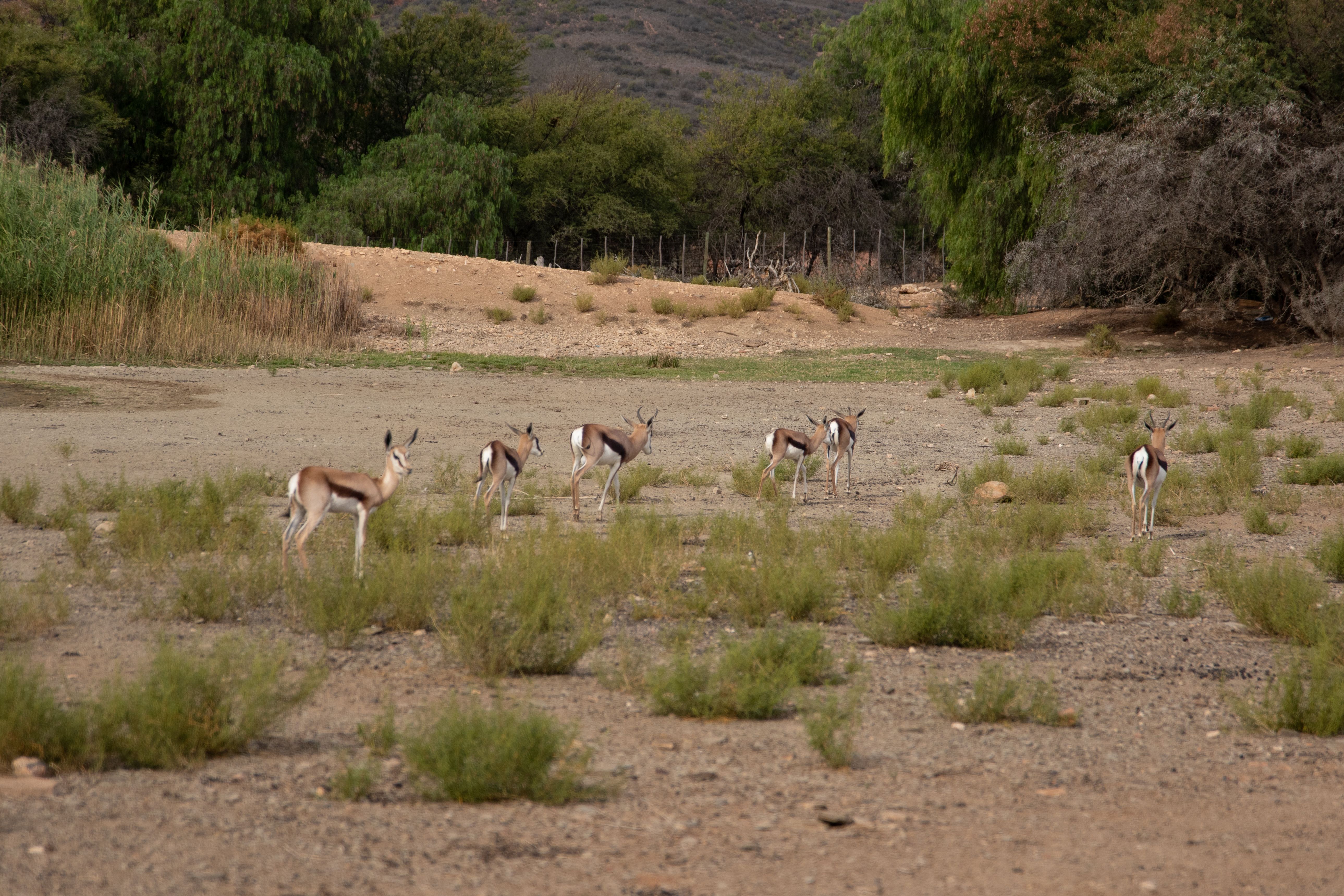
Governments like to announce the percentage of their land or sea that is "protected". It's a clean number, easy to put in a headline and easy to compare against a target. It's also one of the most misleading figures in conservation, because a protected area is a legal designation, not a physical fact — and the gap between the two is where most of the trouble lives.
Designation is the easy part
Drawing a boundary and giving it a name costs a signature. What happens inside the boundary afterwards costs money, staff, and political will, every year, indefinitely. Those are entirely different things, and only the first one shows up in the percentage.
This is why conservationists talk about paper parks: areas that are fully protected on paper and completely unprotected in practice. The reserve exists in law and in the national statistics. On the ground there are no rangers, no enforcement, and no measurable difference from the unprotected land next door.
The four things a boundary needs to actually work
A protected area only protects when several conditions hold at once, and the failure of any one hollows out the rest:
- Enforcement. Someone has to be able to stop the activity the area was created to prevent — logging, poaching, fishing, encroachment. Rules without patrols are suggestions.
- The right boundaries. A reserve drawn around a mountaintop nobody wanted, while the fertile valleys that animals actually need are left out, protects scenery rather than biodiversity. This is common, because the cheapest land to protect is the land nobody is competing for.
- Connectivity. An isolated island of habitat surrounded by farmland or roads slowly loses species regardless of what happens inside it. Populations need to move, breed, and recolonise.
- Stable funding and tenure. Protection that is defunded, downsized, or reversed by the next government was never really protection. This happens often enough to have its own acronym in the literature.
Who lives there matters too
The old model of protection — draw a line, remove the people, call it wilderness — has a poor record, both ethically and practically. Many of the world's most biodiverse landscapes are inhabited and managed by Indigenous and local communities, often more effectively than state agencies with thin budgets.
Protection that treats the people inside as the problem tends to produce resentment, conflict, and quiet non-compliance. Protection that works with them tends to last. The evidence on this has shifted the field considerably, and the "fortress conservation" model is no longer the default assumption it once was.
How to read the percentage
So when a country announces it has protected 30% of its territory, the useful questions aren't about the number. They're about what's underneath it:
- Protected on paper, or managed on the ground? Is there enforcement, or is it a paper park?
- Protecting what? The habitats species actually need, or the land nobody contested?
- Connected or isolated? Can populations move between protected areas, or are they stranded?
- Durable? Funded and legally secure, or one election from being undone?
A smaller area that is genuinely managed protects more life than a vast one that exists only in a database. The percentage tells you how much was designated. It tells you almost nothing about how much was saved — and those are the two numbers most worth not confusing.
Sources and further reading
- IUCN — 30x30: A Guide to Inclusive, Equitable and Effective Implementation of Target 3 — on the Kunming-Montreal target, protected areas, OECMs and what "effectively conserved" is meant to mean.
- Global status and emerging contribution of OECMs towards the 30x30 target — on the gap between designation and effective, verified conservation. The term "paper parks" traces to work such as Pieraccini et al. (2017).